Most Frustration Is a Scheduling Problem: Planning Around Response Windows and Availability
If you have spent any time browsing listings and reaching out, you already know the feeling: you found the right profile, sent a message, and then heard nothing for hours. The instinct is to blame the listing, the platform, or the person on the other end. More often than not, though, the real culprit is timing. The listing for 哈特福德楼凤援交妹小姐美女外围学生妹留学生约炮做爱按摩援交成人服务性交打炮全套包夜大保健桑拿会所莞式服务 2 Guest Post is a useful example of how availability, response windows, and planning rhythm shape the whole experience.
This piece treats time as the scarce resource. It is not about hype or promises. It is about understanding how response windows work, how availability patterns form, and how to plan so that a simple inquiry does not turn into an afternoon of waiting.
Why Response Windows Matter More Than the Listing Itself
Every directory listing, whether for a companion, a massage appointment, or a late-night outcall, runs on a clock that the visitor rarely sees. A response window is simply the realistic span between your message and a reply. It is shaped by the provider’s schedule, the platform’s notification behavior, and the time of day you reach out.
The first practical takeaway is that a slow reply is not the same as a rejection. Many providers check messages in batches, often in the late afternoon or early evening, rather than continuously. If you write at 9 a.m. and expect an answer by 9:15, you are likely measuring against the wrong clock.
What Sets the Length of a Response Window
Several factors quietly extend or shorten the gap. Peak evening hours usually produce faster replies because providers are actively monitoring their devices. Early mornings and mid-afternoons tend to be quieter. Weekends can be either the fastest or the slowest, depending on whether the provider treats them as working days or rest days.
- Time of day: evening inquiries generally get quicker answers than early-morning ones.
- Day of week: Friday and Saturday evenings are often busy, while Sunday can be slow.
- Message quality: a clear, specific note gets prioritized over a vague one.
- Platform behavior: some directories batch notifications, which adds delay.
Understanding these windows is the difference between frustration and a workable plan. The listing page itself is just the starting point; the scheduling around it is what determines whether the evening goes smoothly.
Reading Availability Patterns and Planning Around Them
Availability is not random. Most providers follow a rhythm: certain hours, certain days, and certain lead times for bookings. If you treat every listing as always-on, you will spend a lot of time waiting for replies that were never going to arrive quickly.
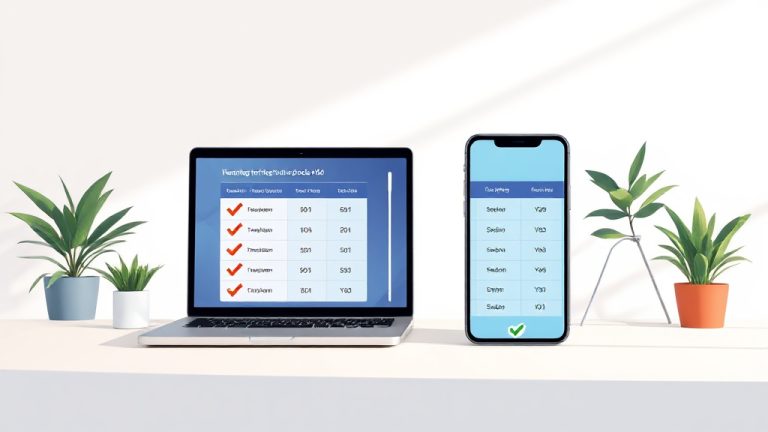
The smarter approach is to plan in blocks rather than in single messages. Instead of sending one inquiry and refreshing your inbox, decide on a window, send a concise message, and give it a realistic amount of time before following up. This mirrors how the person on the other end is likely operating.
A Simple Planning Rhythm
- Decide the time block you actually want, not just “sometime tonight.”
- Send a short message that states the time, the service type, and any constraints.
- Wait through one full response window before following up once.
- If there is no reply, move to a second option rather than sending repeated messages.
This rhythm does two things. It respects the provider’s schedule, and it protects your own evening from being consumed by waiting. A directory is a tool for finding options, not a live chat window, and treating it that way changes the experience entirely.
Availability patterns also vary by service type. A massage appointment or a sauna session often needs more lead time than a short outcall, simply because the provider has to prepare a space. Full-night bookings usually require the most advance notice of all, sometimes a day or more. If you are planning something longer, build in extra lead time rather than assuming same-day availability.
The Closing Note: Treat the Clock as Part of the Plan
Most of the friction people describe in this category is not really about the listing, the platform, or the person. It is about mismatched expectations of time. The visitor expects instant replies; the provider works in batches. The visitor expects same-day availability; the provider needs lead time. Once you see that gap clearly, the frustration mostly disappears.
The practical habit is simple: before you send a message, decide which response window you are operating in, give the other side a realistic amount of time, and keep a second option ready. That is not a complicated strategy, but it is the one that consistently works.
Time is the resource you cannot get back, and planning around it is the most reliable way to make a directory useful rather than exhausting. Read the listing, respect the rhythm, and let the schedule do the work.
About the Author