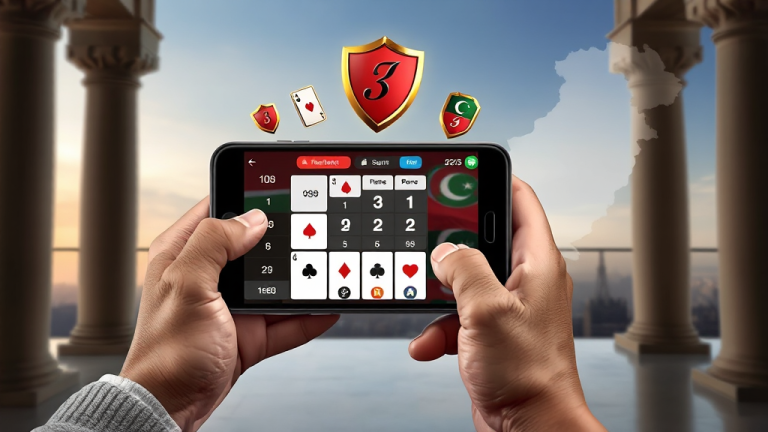
How to Start Playing an Online Rummy Game as a Beginner
By the time you finish this page, you will have a clear, working path from your very first tap to a real hand on an Online Rummy Game. You will know what to install, how to register, what to check before you deposit, how to arrange your first thirteen cards, and how to avoid the small errors that make new players quit in frustration.
I teach this to beginners every week, and the pattern is always the same. People do not fail because rummy is hard. They fail because they skip two or three tiny setup steps and then blame themselves. So let us walk through it properly, mistake by mistake, correction by correction.
Before You Install Anything: Choosing the Right App
The first mistake beginners make is downloading the very first rummy app that appears in a search result or an advertisement. That is like buying the first pair of shoes you see without checking the size. Not every app suits every player, and the differences are not cosmetic. They affect how fast withdrawals arrive, what payment methods work, how the tables are organised, and how much support you get when something goes wrong.
The correction is simple: compare before you commit. A comparison platform such as All Rummy Choice exists exactly for this purpose. It puts app ratings, signup offers, payout details, payment methods, and installation options side by side so you can see the full picture in one place instead of opening ten different websites. Spend ten minutes there before you spend a single rupee anywhere else.
As a trainer, I ask beginners to check four things on any app before installing:
- Ratings and reviews: Look for consistent feedback over time, not just a high star count.
- Payout speed: How long does a withdrawal actually take? This matters more than any welcome bonus.
- Payment methods: Does it support the method you personally use, such as UPI or a bank transfer?
- Installation options: Is there an official download page, and does it work on your phone’s version?
If an app hides its payout terms behind vague language, that is your signal to move on. A trustworthy platform states its rules plainly.
Installing and Registering Without Errors
Mistake number two: installing an app from a random link shared in a chat group. Those links sometimes point to outdated or modified files, and you end up with an app that crashes or never updates. The correction is to download only from the official source listed by the app itself or from a trusted comparison page that links directly to the official download.
Once the app is installed, registration is usually a two-minute job. You will be asked for a mobile number, an email address, and sometimes a display name. Here is where beginners stumble:
- Mistake: Using a nickname or fake details. Correction: Use accurate details, because verification later depends on them matching.
- Mistake: Skipping the OTP step or letting it expire. Correction: Keep your phone handy and enter the code promptly.
- Mistake: Ignoring the age confirmation. Correction: This is an adults-only activity. Only players aged 18 and over should register.
After registration, take a slow tour of the lobby before doing anything else. Find the practice tables, the help section, and the account settings. Knowing where things are removes most of the panic later.
Learning the Table: Cards, Melds, and Your First Hand
Now we reach the part everyone is excited about. Rummy is a card game played with a standard deck, and the goal is straightforward: arrange your thirteen cards into valid groups before your opponents do. Two kinds of groups matter.
A set is three or four cards of the same rank but different suits, such as the 7 of hearts, 7 of spades, and 7 of clubs. A sequence is three or more consecutive cards of the same suit, such as 4, 5, and 6 of diamonds. A sequence that uses no joker is called a pure sequence, and most rummy variants require at least one pure sequence before you can declare.
Here is the mistake I see most often in a beginner’s first hand: they collect sets because sets feel easy, and they end up with no pure sequence at all. The correction is to build your pure sequence first, always. Treat it as the foundation of the house. Once that is secure, sets and joker-based groups become much easier to complete.
Jokers deserve their own note. A printed joker is a specific card in the deck, and a wild joker is a card chosen at the start of the round. Both can substitute for missing cards in a group, but they cannot rescue a hand that has no pure sequence. Beginners who lean on jokers too early usually get stuck.
On your turn, you draw one card from the closed deck or pick up the open card discarded by the previous player, then discard one card to end your turn. That rhythm never changes. Draw, arrange, discard. Repeat until your hand is complete.
Practice Tables, Small Stakes, and Knowing Your Limits
Mistake number four is jumping straight into a fast table with real stakes before you can comfortably arrange a hand. Speed is the enemy of a new player. In a timed game, hesitation costs you the discard you needed.
The correction is to spend real time at practice tables. These are free, they use the same rules, and they let you build the muscle memory of sorting cards quickly. I usually suggest a beginner play at least ten full practice rounds before touching a paid table. By round ten, you will notice your sorting speed has doubled.
When you do move to paid tables, start at the lowest available stake. The goal in your first week is not to win big. It is to get comfortable with the flow: how entry fees are deducted, how winnings are credited, and how the table history looks after each round.
This is also the point where responsible play stops being a slogan and becomes a habit. Set a fixed amount you are willing to spend for the week, and stop when it is gone. Never chase a loss. Never play when you are tired, angry, or distracted. Rummy rewards patience and clear thinking, and both disappear the moment you play emotionally.
If you want to compare how different apps handle stakes, table formats, and bonuses before you commit real money, a side-by-side review saves you from learning those lessons the expensive way.
Deposits, Withdrawals, and the Details Beginners Overlook
Mistake number five: depositing money the moment an account is created, without reading how withdrawals work. Deposits are always easy. Withdrawals are where the fine print lives.
The correction is to read the payout and payment sections of the app before your first deposit. Specifically, check these items:
- Verification requirements: Most apps require identity and bank verification before your first withdrawal. Complete it early, not when you are waiting for money.
- Processing time: Some apps process withdrawals within hours, others take several working days. Know which one you are choosing.
- Minimum withdrawal amount: Small balances sometimes cannot be withdrawn until they cross a threshold.
- Payment method matching: Withdrawals often must go back through a method linked to your verified account.
- Bonus conditions: Signup bonuses frequently come with play conditions. Understand them before you treat bonus money as your own.
Beginners also overlook the account statement. Check it after every session. It takes thirty seconds and it catches errors immediately, while they are still easy to resolve.
One more correction worth repeating: keep your login credentials private. Sharing an account is against the rules on virtually every platform and can freeze your balance during a verification check.
From First Tap to a Working Result: A Short Summary
Let us bring it together. You began with a result in mind, and here is exactly how you reach it.
First, compare apps before installing. Check ratings, payout speed, payment methods, and installation options so you choose with information rather than impulse. Second, install from the official source and register with accurate details, confirming that you are 18 or over. Third, learn the two group types, prioritise your pure sequence, and understand how jokers work. Fourth, spend real time at practice tables and start paid play at the lowest stake. Fifth, read the payout and payment rules before your first deposit, and verify your account early.
Run through those five steps in order and you will have something most beginners never get: a working setup, a clear understanding of the rules, and a calm approach to the table. Rummy is a game of arrangement and patience, and both improve with practice.
Take your time, play within your limits, and treat every round as a lesson rather than a race. Do that, and the first hand you complete will feel like a genuine skill you earned.
About the Author